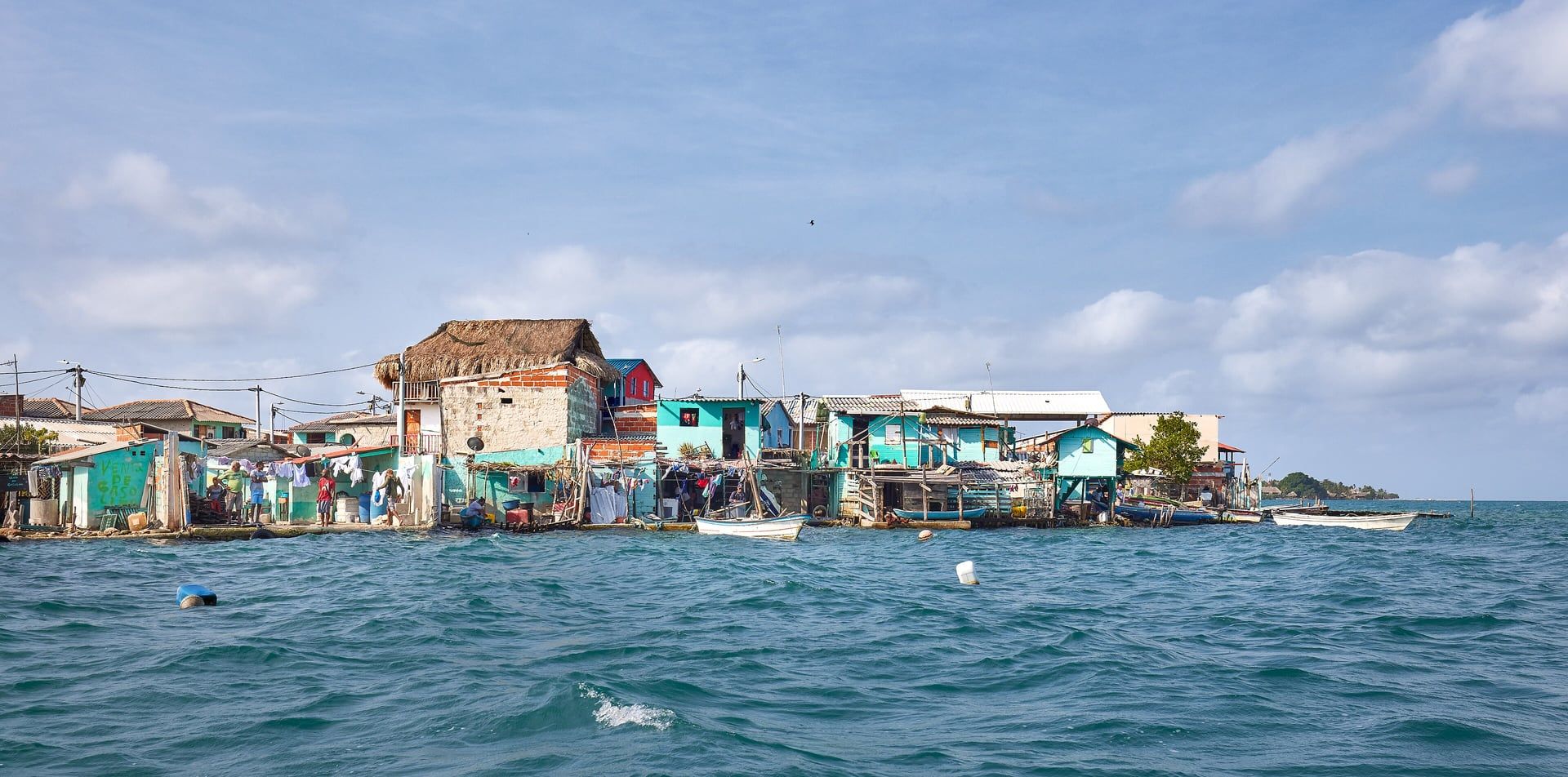
1Bolívar · Colombian Caribbean
San Bernardo Archipelago
Colombia's longest-running systematic, standardized monitoring program in turtle feeding and transit areas, carried out with fishers and with children who now lead it.
Where we work
Seven territories, two coasts and one way of working, with the communities who live on every beach, every island and every bay.
1Bolívar · Colombian Caribbean
Colombia's longest-running systematic, standardized monitoring program in turtle feeding and transit areas, carried out with fishers and with children who now lead it.
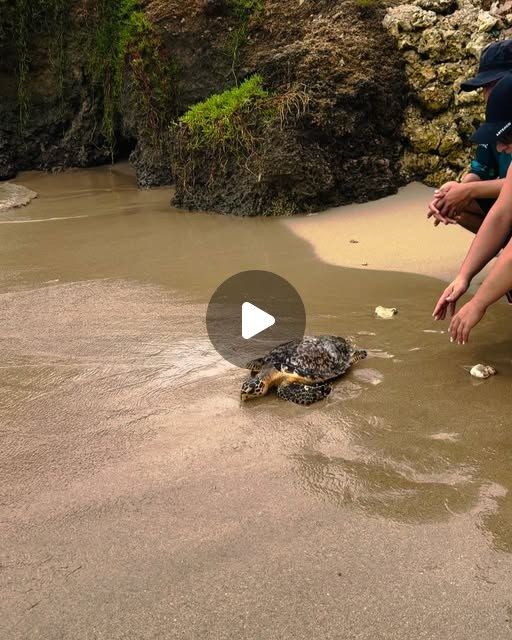
2Bolívar · Colombian Caribbean
Since July 2023, the island's fishers and La Playita hotel have given every turtle an alternative: going back to the sea alive.
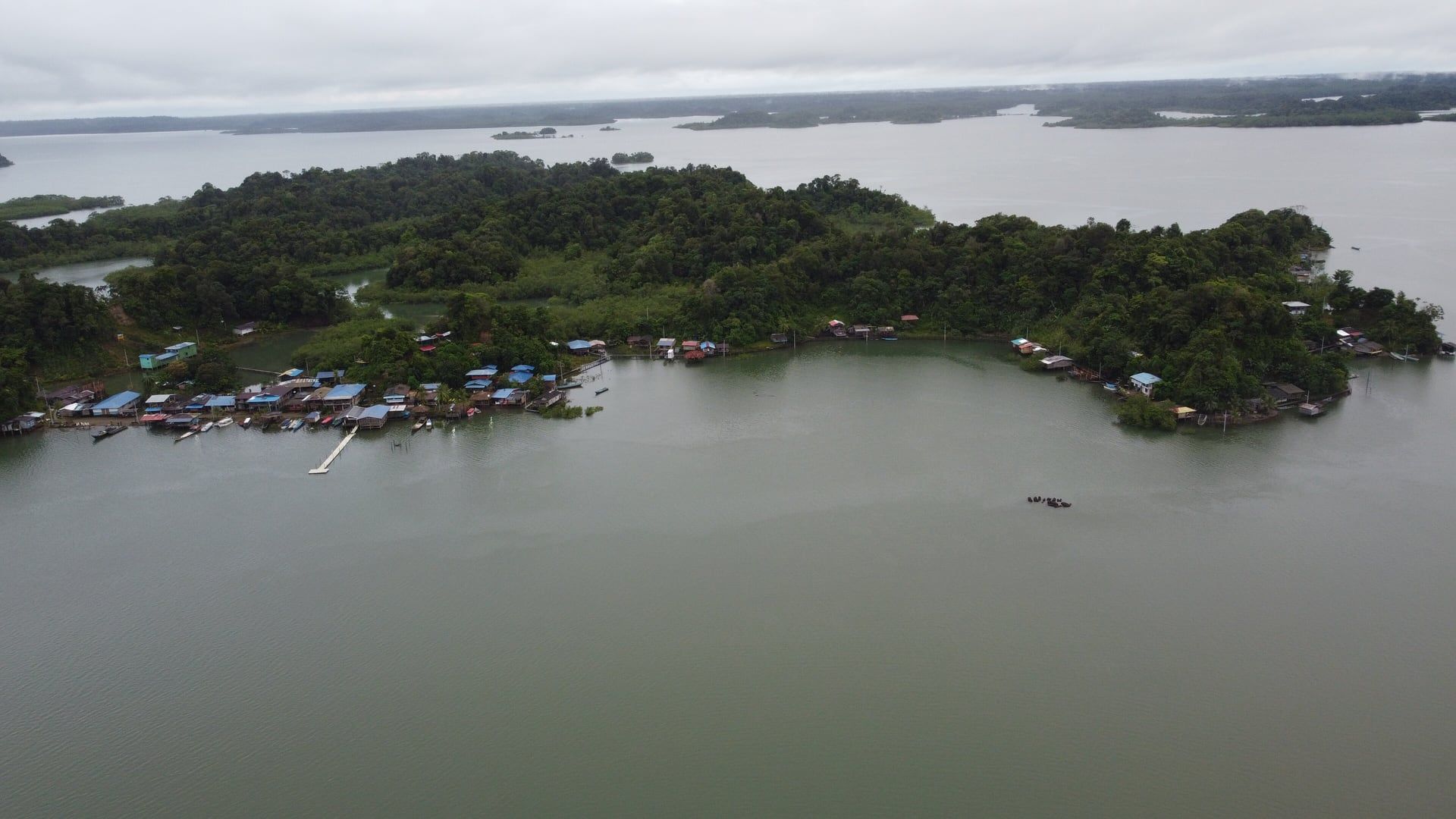
3Valle del Cauca · Colombian Pacific
Turtle censuses led by local fishers and the community council: ancestral and scientific knowledge, together.
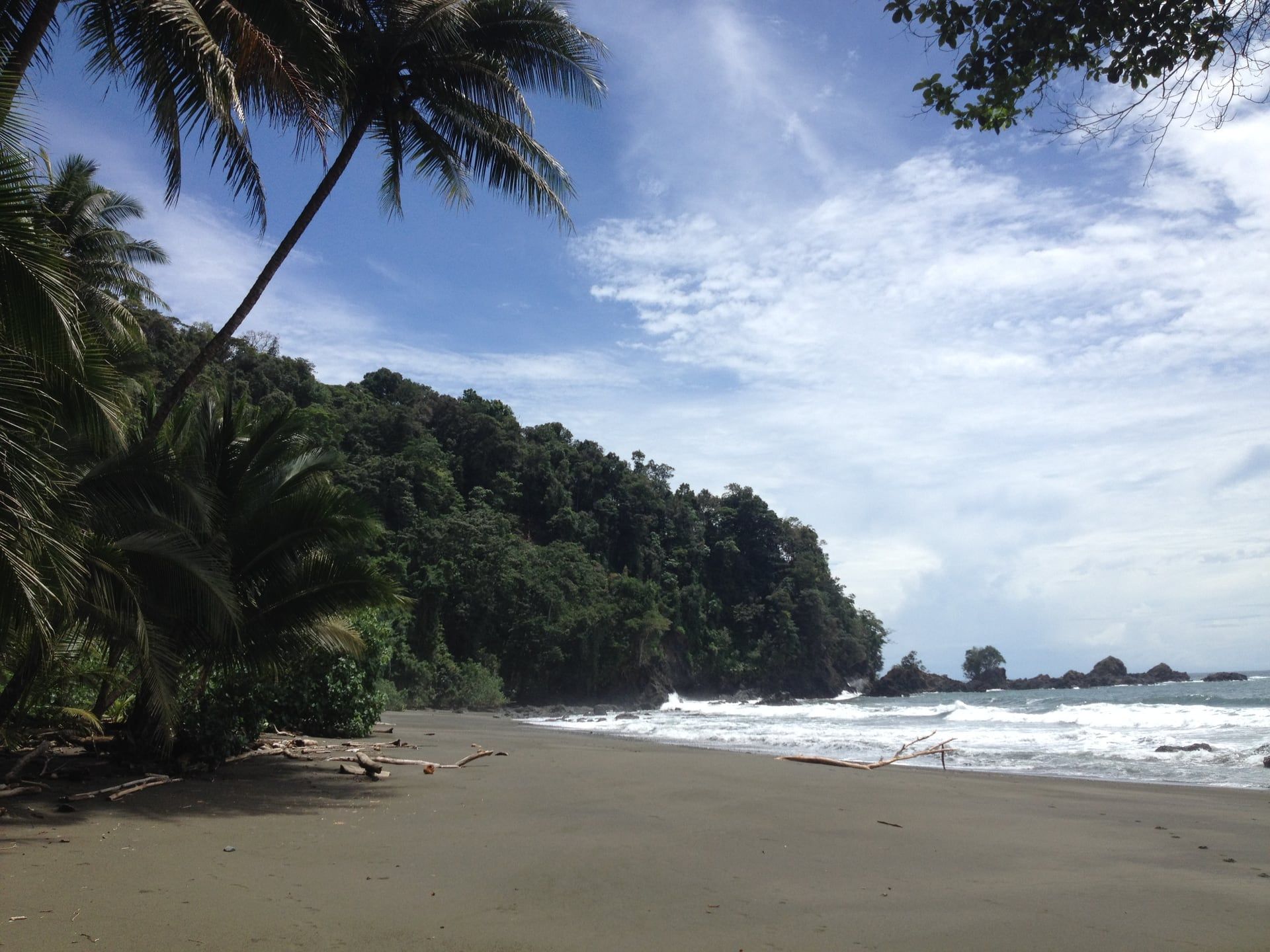
4Bahía Solano, El Valle, Juná, Mecana and Nuquí · Chocó
Home to El Valle, the most important olive ridley nesting beach in South America, where communities have become guardians of the nests.
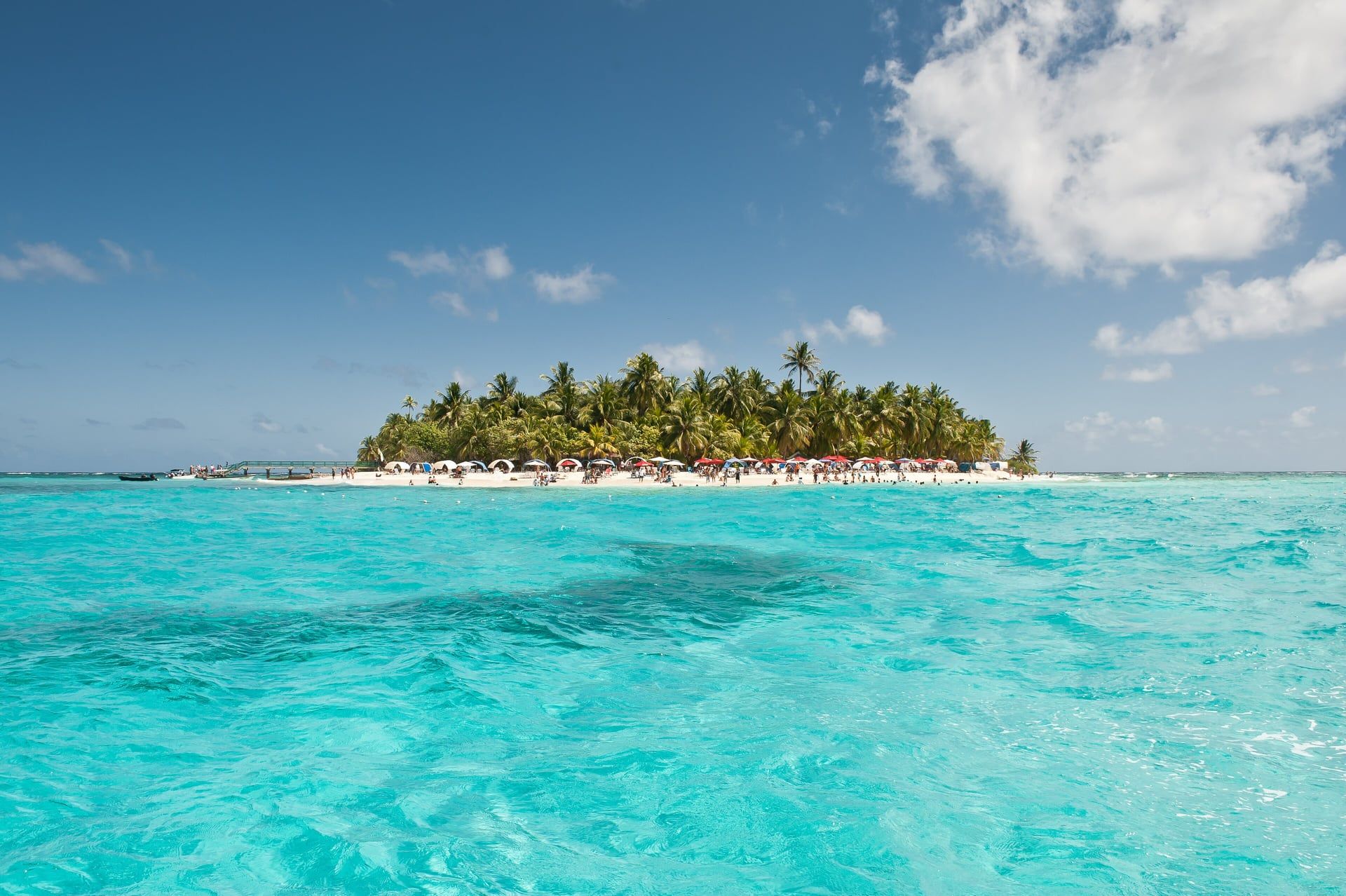
5San Andrés, Providencia and the Serrana, Serranilla and Roncador cays
The most important nesting area in the Colombian Caribbean for hawksbill, loggerhead and green turtles, protected together with the Colombian Navy.
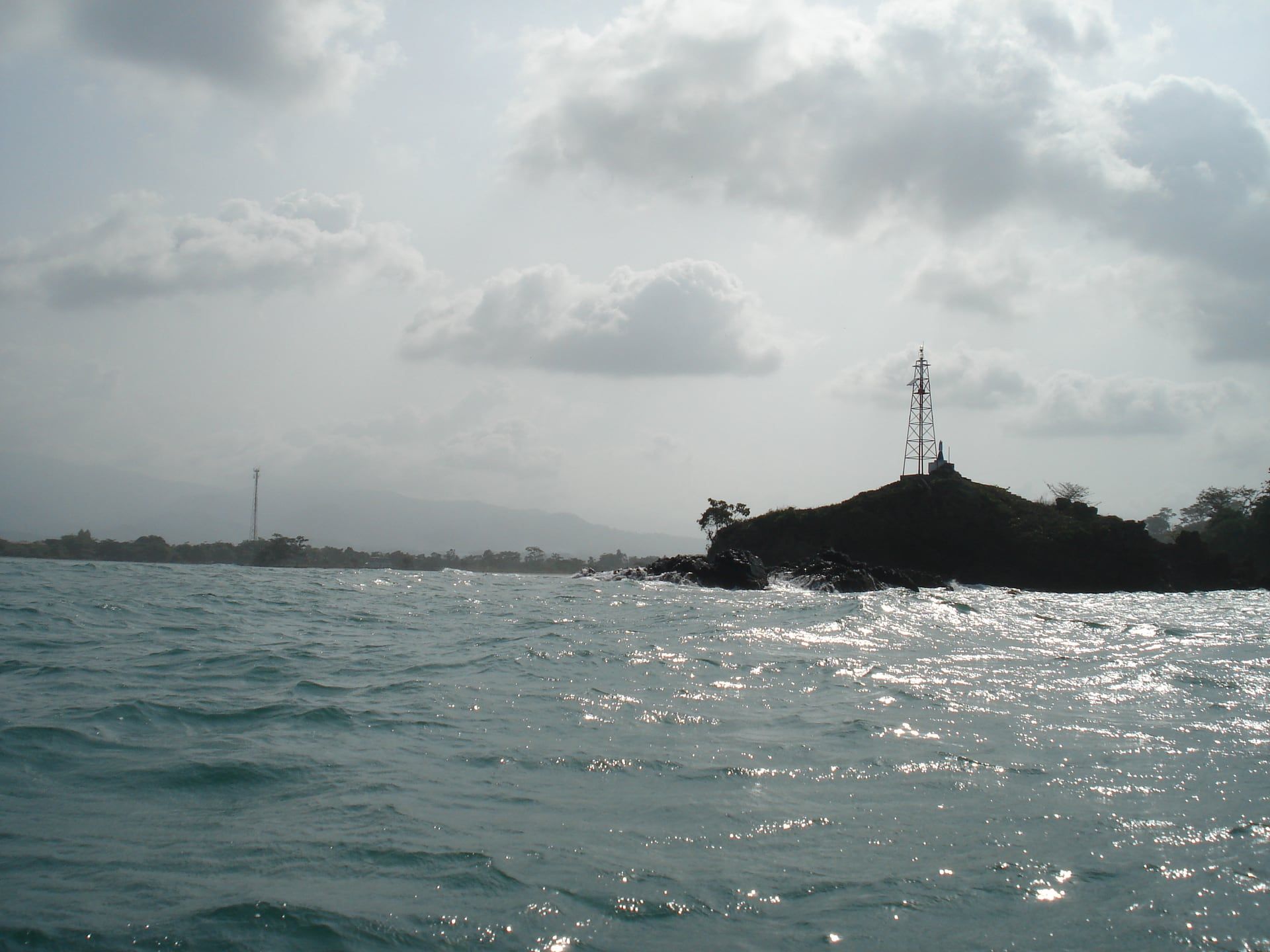
6Necoclí and Acandí · Antioquia and Chocó
Bobalito, the largest hawksbill nesting area on the continental Caribbean, and La Playona, the leatherback sanctuary.
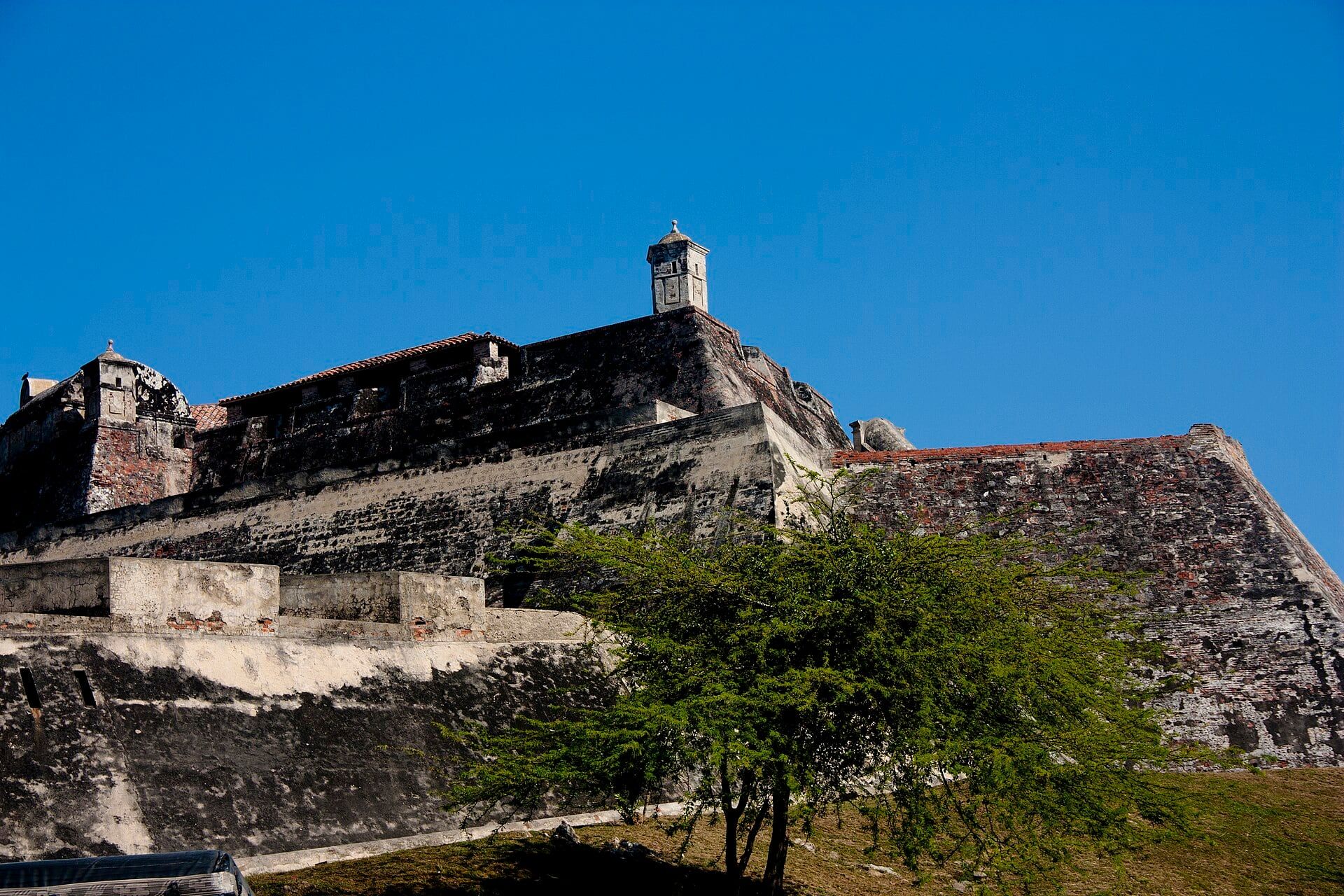
7Bolívar · Colombian Caribbean
Since 2014 we have confronted the hawksbill shell trade through training, conversations with vendors and an app to tell real from fake.
Beyond Colombia
A turtle born on one beach may feed thousands of kilometers away. That's why we also work with Panama, in Saboga and the Pearl Islands and in Taboga, including work against hawksbill trafficking with SENAN. And through our scientific director, WIDECAST's coordinator in Colombia, we are part of the regional network caring for turtles across the Wider Caribbean.