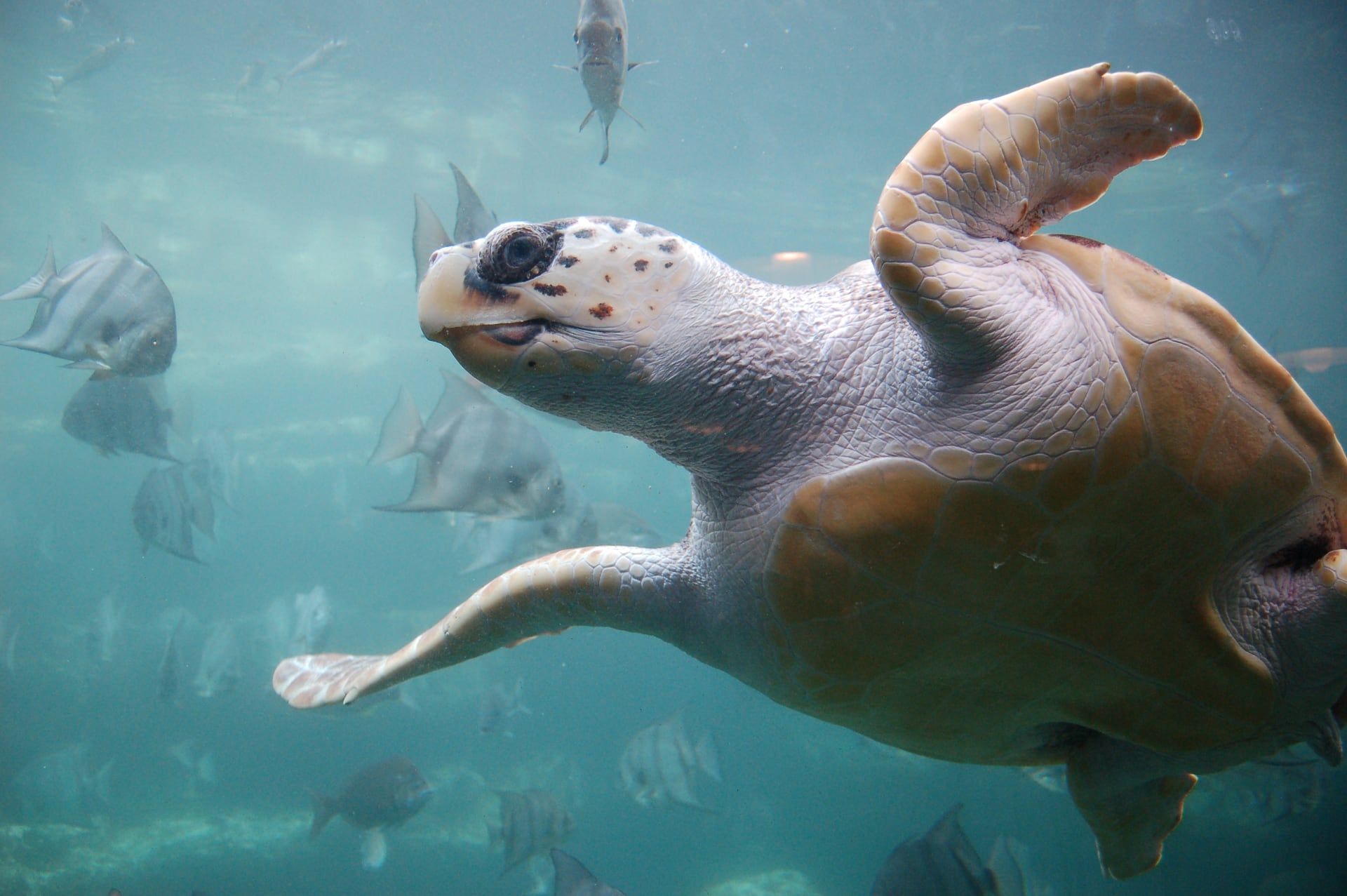
Loggerhead (cabezona) · Caguama
Caretta caretta
The turtle on the thousand-peso coin
In ColombiaCR · Critically endangered
Meet the turtles
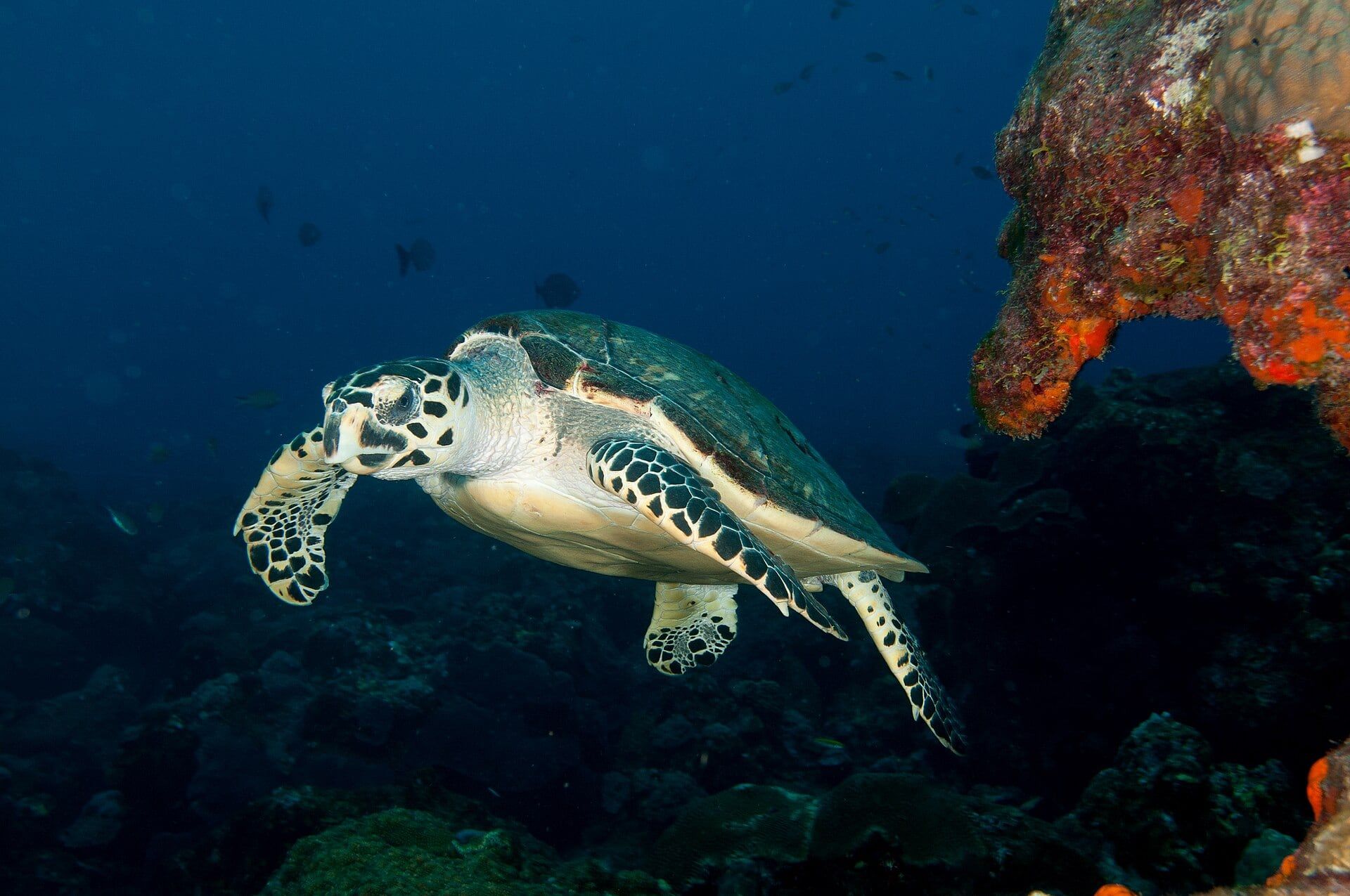
Loggerhead, hawksbill, leatherback, green and olive ridley. All of them face some risk of extinction, and all of them need us to keep them alive in the sea. Do you know them?
Caretta caretta
The turtle on the thousand-peso coin
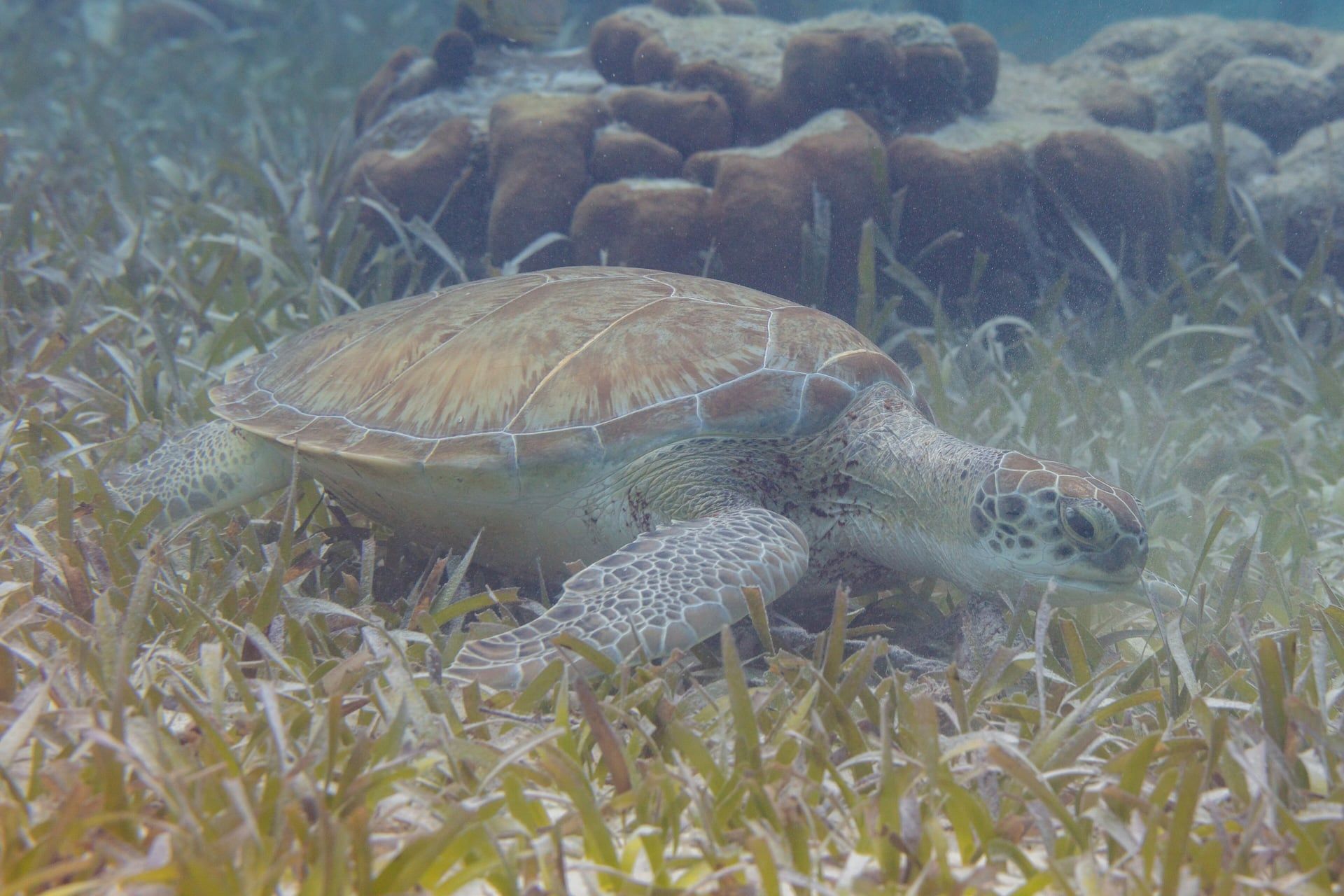
Chelonia mydas
Gardener of the seagrass meadows
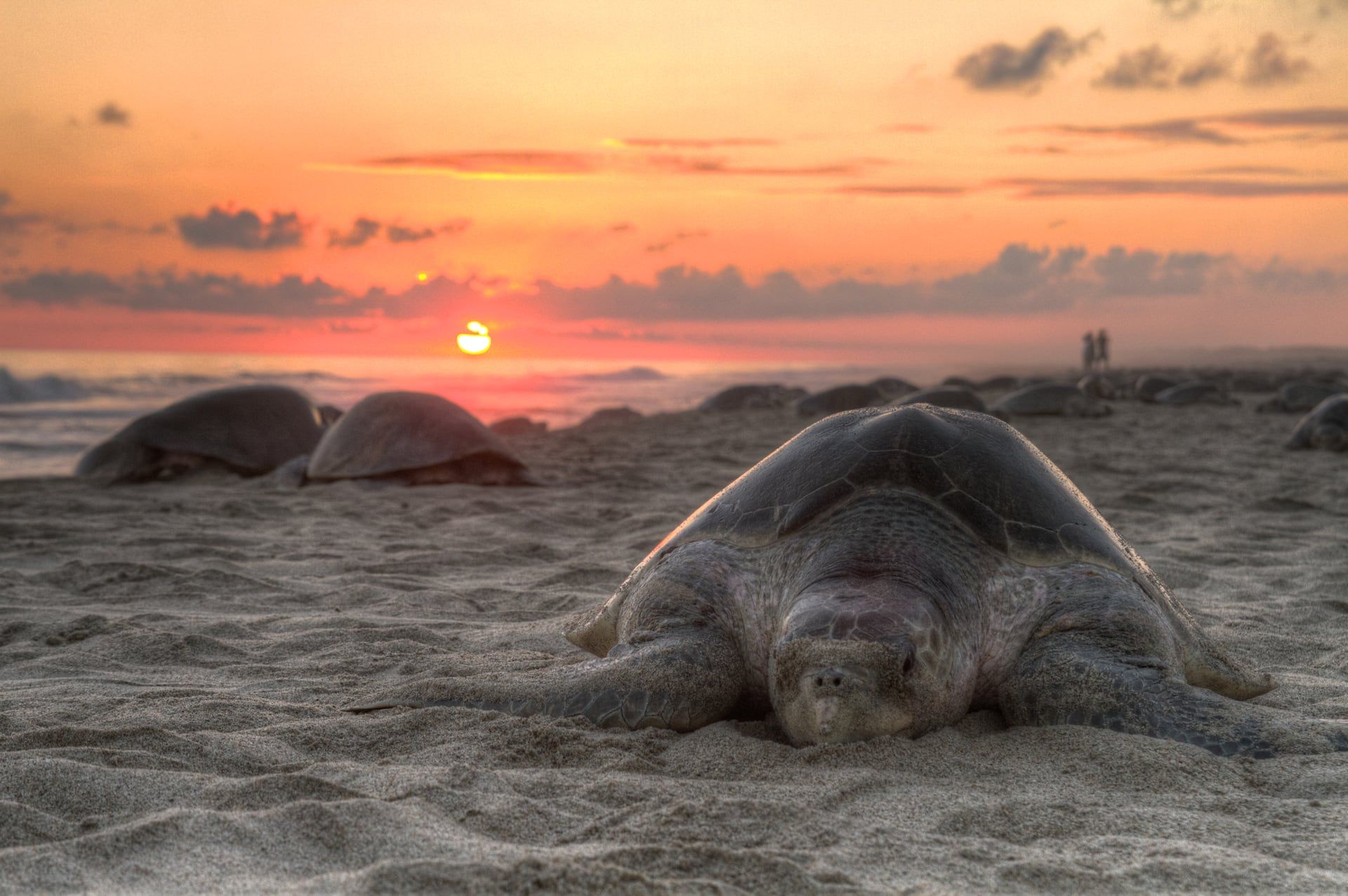
Lepidochelys olivacea
The little one of the Pazcífico
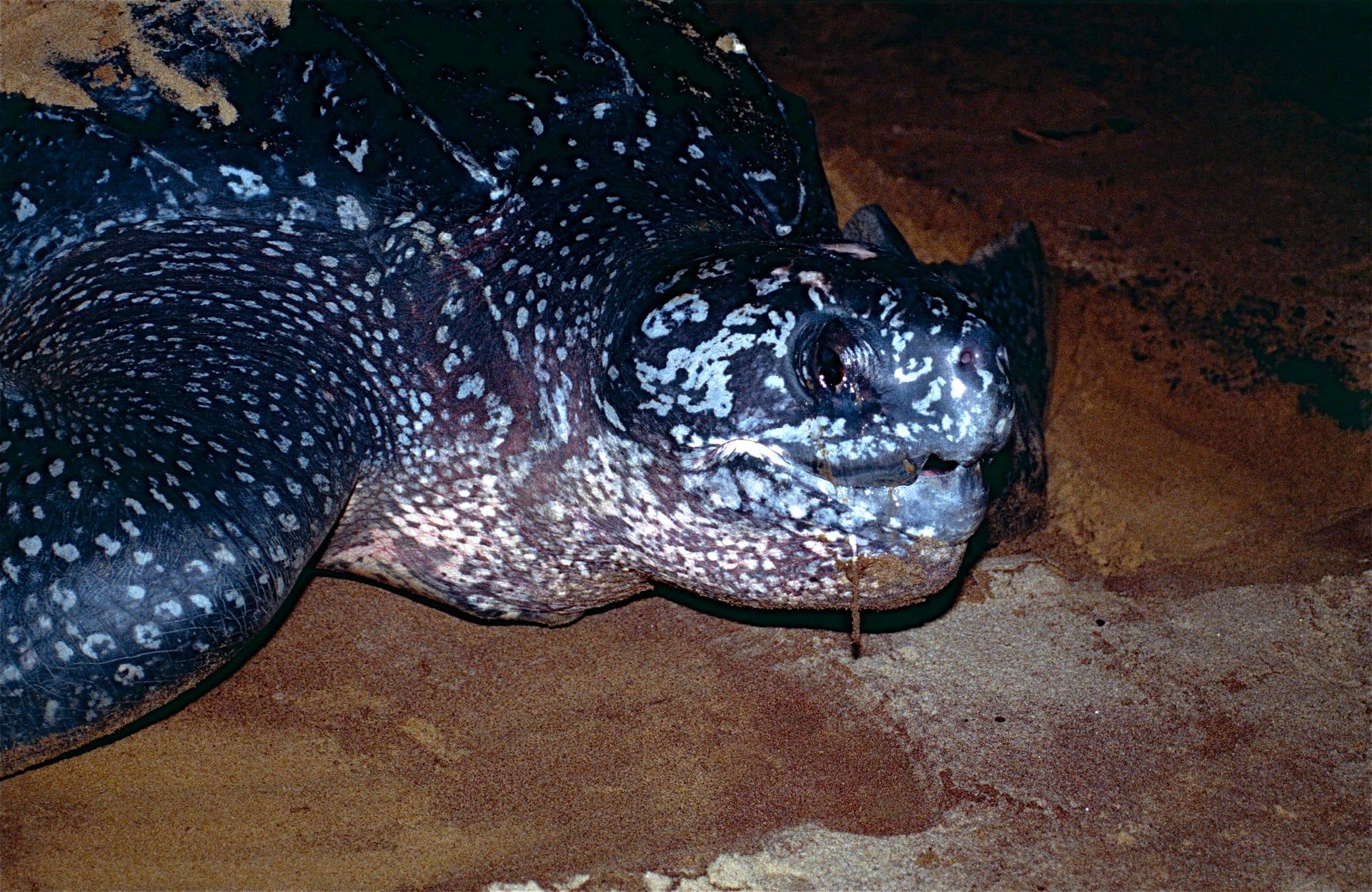
Dermochelys coriacea
The giant traveler
There are seven sea turtle species in the world. The two that don't live in Colombia are Kemp's ridley, the lora (Lepidochelys kempii), from the Gulf of Mexico, and the flatback, kikila or aplanada (Natator depressus), from Australia.
What threatens them
Almost every threat sea turtles face has one thing in common: people cause it. That means we can change it too.
Jewelry, combs and souvenirs made from hawksbill shell. To get it, the turtle has to be killed.
Green turtles are the most hunted for meat, and leatherback eggs are still eaten on the Caribbean coast.
Many turtles die caught in nets and on hooks. It is the leading cause of death for olive ridleys.
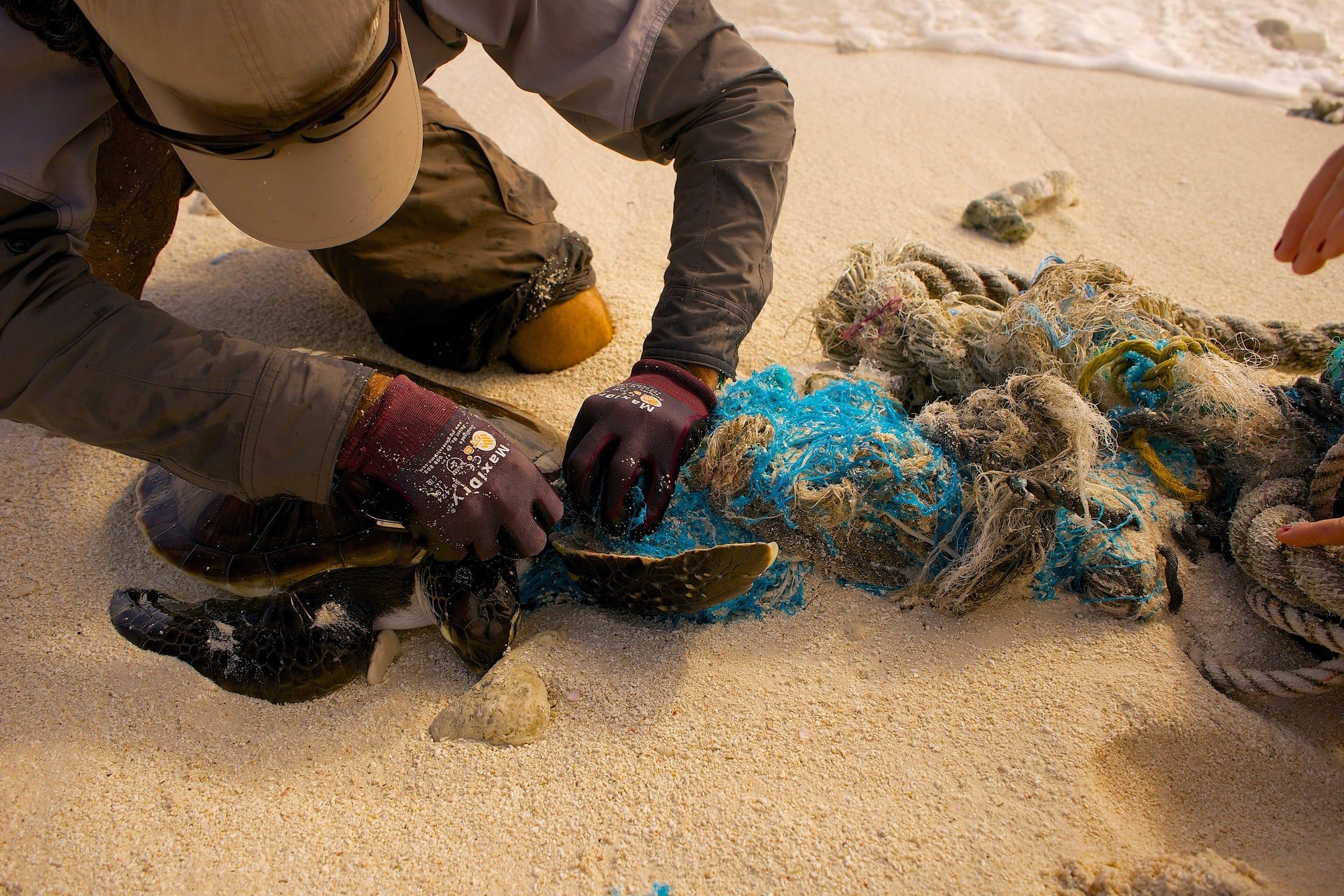
Turtles get tangled in it or eat it. In Bahía Málaga we found a hawksbill with its shell deformed by plastic.
Sand temperature determines the sex of hatchlings. Hotter beaches mean more females and fewer males.
Lights, beachfront construction and mass releases for tourists disrupt nests and turtle behavior.